
Gili Meno is the smallest and quietest of the three main Gili Islands. Indonesia’s official tourism site presents it as the most remote-feeling option, with no motorised vehicles and a much calmer atmosphere than Gili Trawangan. That makes it appealing for couples and slow beach stays, but accommodation choice matters: a remote west-coast bungalow and an east-side room near the harbour create very different holidays.
Choose the east or harbour side for the easiest arrival and more convenient meals, the north for quiet beach time, the west for sunsets and seclusion, or inland for value and a village feel. Confirm the map pin, boat landing and luggage plan before paying.
This independent guide uses official Indonesia Travel information checked on 24 September 2026. It is not a first-person stay review. Boat schedules, businesses and island services change.
Gili Meno at a glance
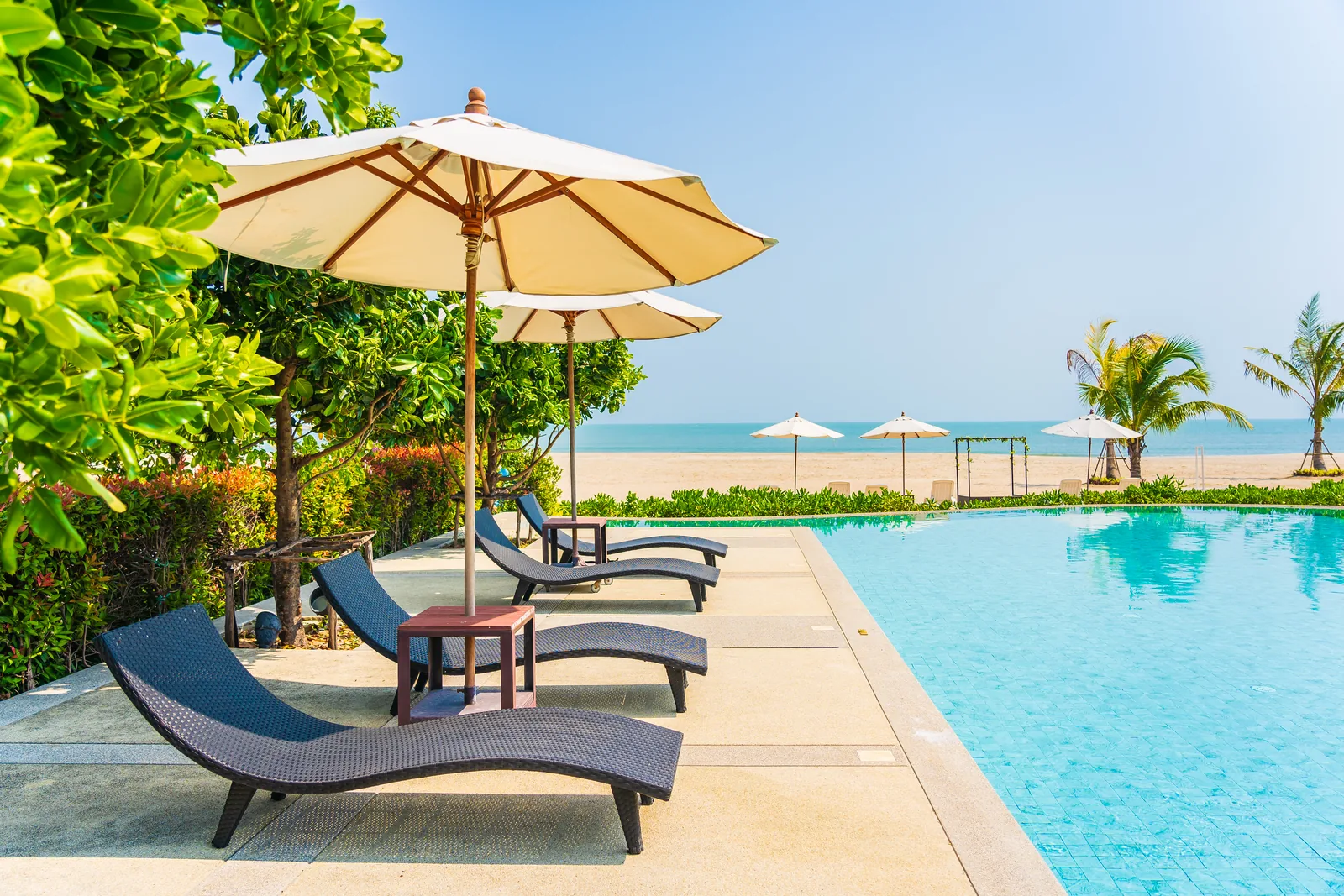
- Character: quietest and smallest of Gili Trawangan, Gili Meno and Gili Air
- Transport: no cars or motorbikes; walk, bicycle or cidomo horse cart
- Arrival: by boat from Lombok, another Gili or selected Bali services and connections
- Best for: quiet couples, honeymoon-style trips and travellers comfortable with limited nightlife
- Accommodation: small hotels, bungalows, villas and homestays rather than large full-service resorts
- Main decision: convenience near the harbour versus seclusion on the north or west coast
- Important checks: luggage transfer, air-conditioning, fresh water, power backup, Wi-Fi and restaurant hours
Which part of Gili Meno should you choose?
| Area | Best for | Trade-off |
|---|---|---|
| East and harbour side | First visit, short stay, easier luggage | More movement around boat times |
| North coast | Quiet beach-led stay | Fewer nearby dining choices |
| West coast | Sunsets and seclusion | Longer transfer from harbour; tides affect the beach |
| Inland | Value, pool villas and village atmosphere | No immediate sea view; darker paths at night |
East and harbour side: easiest arrival
The east side is the practical choice when arriving with luggage, staying only two or three nights, or relying on public island boats. A shorter route from the landing reduces the need for a cidomo and makes onward departure less stressful.
This coast can also offer easier access to small restaurants and services. “Near the harbour” should still be measured by walking minutes on sand or rough paths. Ask whether staff meet the boat and whether guests must wade ashore at some tides.
Choose this side when logistics matter more than complete seclusion. Ask for a room away from the main path if early boat activity could disturb sleep.
North coast: quiet beach base
The north suits travellers wanting a low-key beach routine and fewer passers-by. It can feel more private without being as logistically awkward as the far west, depending on the exact property.
Beach quality changes over short distances. Coral fragments, tides and currents can affect barefoot swimming. Ask for current information about the beach directly outside the property, not a generic description of Gili Meno.
Dining choice may be limited at night. Confirm whether the hotel restaurant operates daily, when the kitchen closes and whether nearby alternatives remain open in low season.
West coast: sunsets and isolation
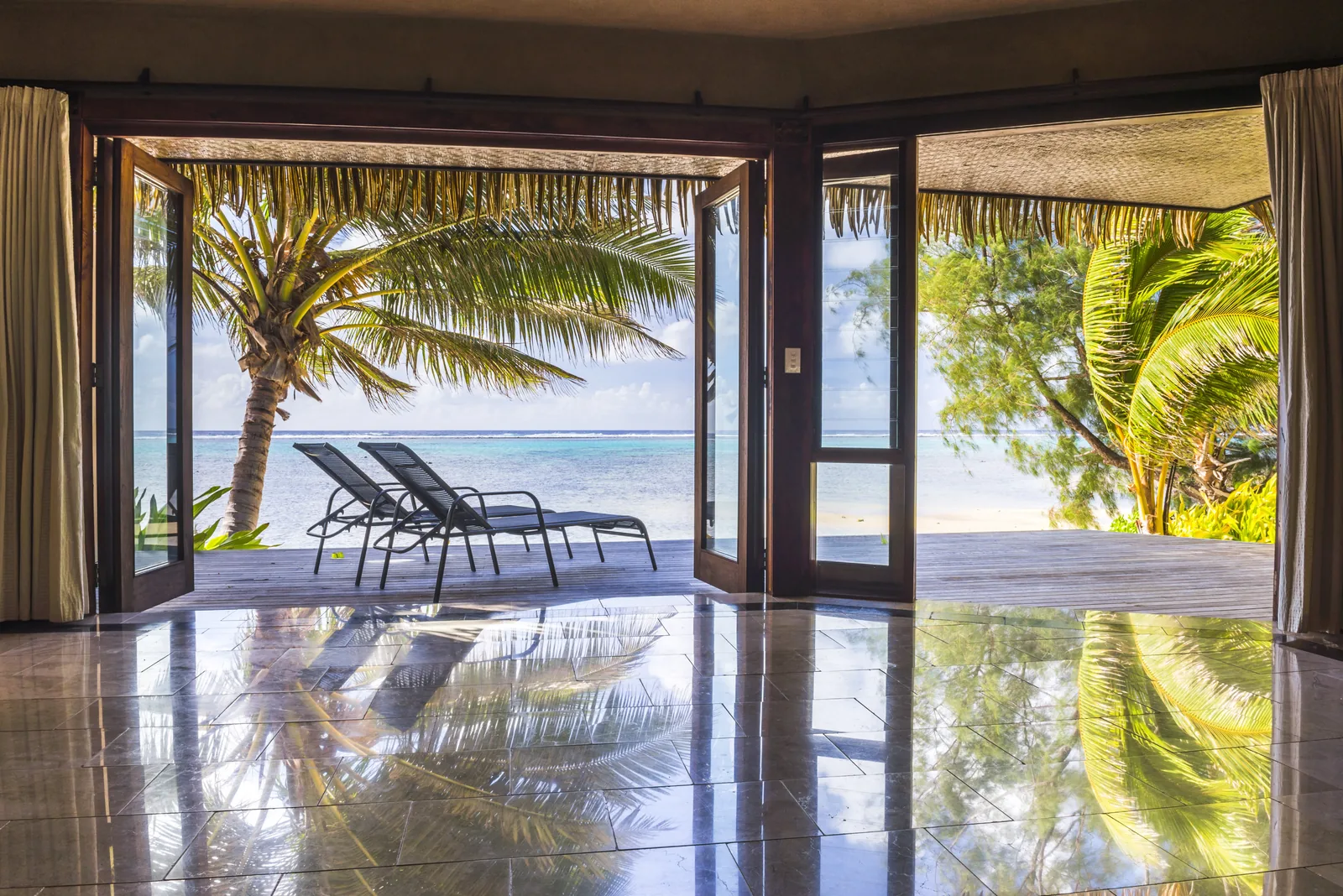
The west is the view-led option. It suits couples who plan to spend most of the day at their accommodation and value sunset more than quick access to the harbour.
The trade-off is transfer friction. There are no taxis or ride-hailing cars. Luggage moves by hand, bicycle arrangement or cidomo. Confirm the transfer price and availability before arrival rather than negotiating after the boat lands.
West-facing does not guarantee an easy swimming beach all day. Low tide can expose reef, while wind and currents vary. A pool becomes more valuable when swimming conditions are inconsistent.
Inland: value and privacy
Inland bungalows and villas can offer more space or a private pool for less than a prime beachfront room. They also provide a quieter village atmosphere.
The disadvantages are heat, limited breeze, darker paths and no immediate beach access. Ask for walking time to the shore and restaurants, path lighting, bicycle condition and whether the pool is private or shared.
Inland can be a strong choice for repeat visitors who understand the island. A first-time visitor arriving after dark may prefer the harbour side.
Bungalow, hotel room or villa?
A simple bungalow can deliver the island atmosphere at a lower cost, but verify air-conditioning, mosquito protection, bathroom ventilation and hot water. “Fan room” and “air-conditioned room” may be separate categories.
A small hotel may provide reception, breakfast and a pool, though staffing is not necessarily 24 hours. A villa can improve privacy but may rely on remote check-in or a limited service team.
Families must check age policies carefully. Gili Meno is marketed heavily to couples, and at least some properties operate as adults-only accommodation. Never assume children are accepted because a room appears large enough.
Getting there and handling luggage
Indonesia Travel states that the Gilis prohibit motorised vehicles and use walking, bicycles and cidomo carts. It describes connections from Lombok and inter-island boats, while schedules and routes vary.
Do not build an international-flight connection around a best-case boat time. Sea conditions, loading and road travel to a Lombok harbour can cause delays. Stay on Lombok or Bali before an early flight when the margin is tight.
Ask the accommodation:
- Which harbour and boat operator should be used?
- Does the boat stop directly at Gili Meno?
- Will staff meet the arrival?
- How far is the room from the landing?
- What is the cidomo price and who books it?
- Can luggage be stored after checkout?
Pack so one person can manage the bags over sand and uneven paths. Wheeled hard cases are less convenient than lighter luggage.
Beach, swimming and snorkelling
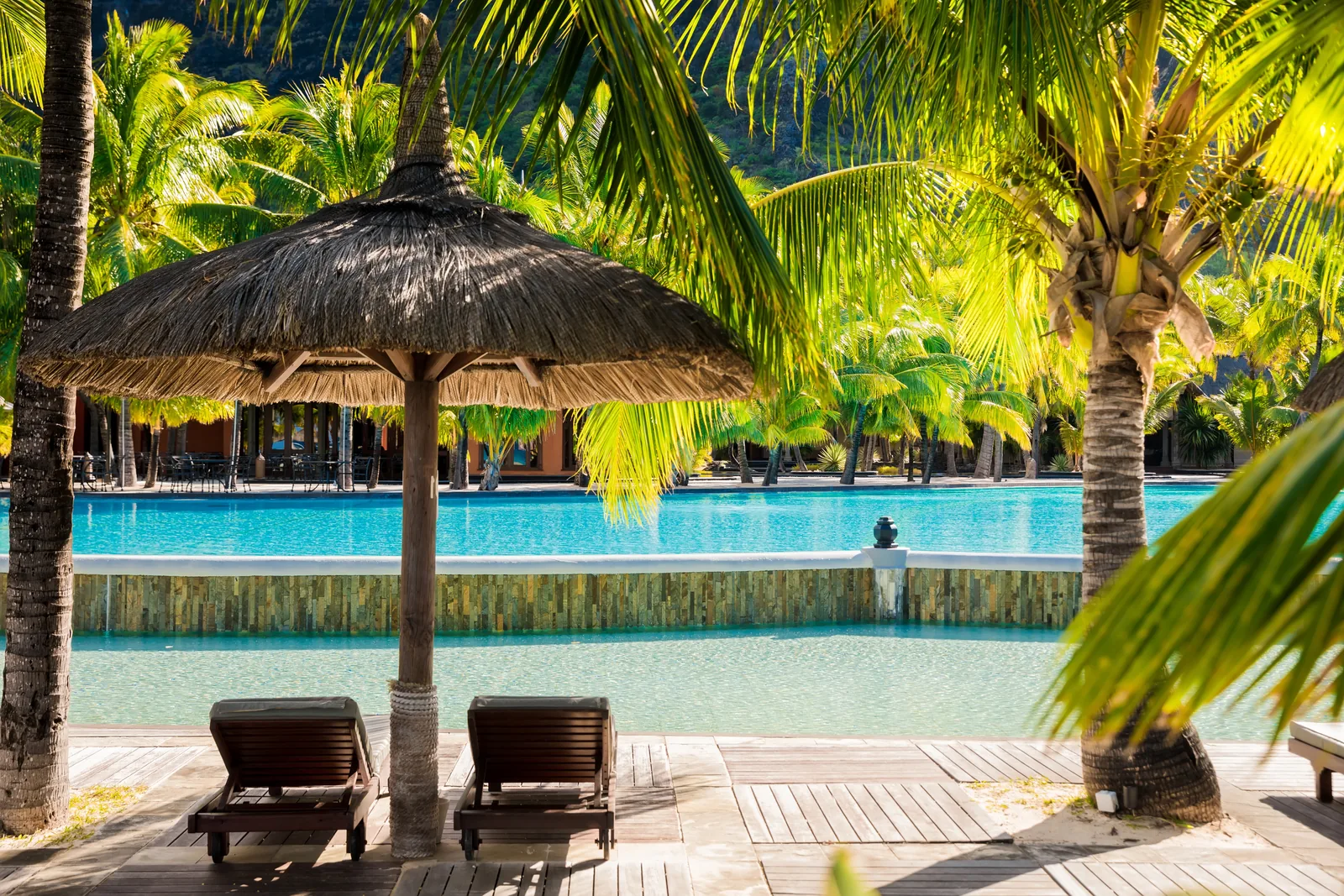
Official tourism material highlights reefs, diving and turtles around the Gilis. That does not mean every beachfront room has safe, easy swimming directly outside. Tides, current, boat traffic and coral affect entry.
Use reef-safe behaviour, never touch marine life and follow local guidance. Water shoes may help on coral rubble, but swimmers should not stand on living reef. Confirm where the nearest comfortable entry point is and whether snorkel equipment is maintained.
Infrastructure checks
Small-island accommodation needs more verification than a city hotel.
- Power: ask about backup and whether air-conditioning remains available during outages.
- Water: confirm hot water and whether bathroom water is fresh, brackish or desalinated.
- Wi-Fi: request realistic room-level performance; mobile signal may be a useful backup.
- Payment: carry a backup payment method and confirm card surcharges.
- Food: check breakfast, dinner and low-season restaurant hours.
- Health: identify the nearest clinic and keep suitable travel insurance.
- Noise: ask about construction, generators, beach clubs and prayer or village activity.
Who should choose Gili Meno?
Strong fit: couples seeking quiet, travellers content with a few restaurants, snorkellers who accept changing sea conditions, and visitors who can manage boat transfers and simple island infrastructure.
Choose another island if: nightlife and wide dining choice matter; frequent fast-boat options are essential; children need extensive organised activities; or unreliable connections would disrupt work. Gili Air offers more services with a relaxed mood, while Gili Trawangan provides the largest dining and nightlife range.
Booking checklist
- Confirm the exact coast and map pin.
- Ask for walking distance from the landing.
- Arrange luggage transfer before arrival.
- Verify child or adults-only policy.
- Confirm beds, air-conditioning and mosquito protection.
- Ask about hot water, fresh water and power backup.
- Check Wi-Fi in the room, not only reception.
- Confirm pool type and beach entry.
- Review restaurant hours and included breakfast.
- Leave a weather margin before flights.
- Save boat and accommodation contacts offline.
Frequently asked questions
Which coast is best for a first visit?
The east or harbour side is usually the simplest because arrival, departure and meals require less planning.
Is Gili Meno suitable for families?
It can suit quiet, beach-focused families, but child policies and facilities vary. Some accommodation is adults-only and the island has fewer organised activities than a large resort.
Are there cars on Gili Meno?
No motorised vehicles are allowed. Movement is on foot, by bicycle or cidomo.
Is a beachfront room always best?
Not necessarily. An inland villa may offer better space or a pool, and some beachfront stretches are affected by reef and tides.
Final verdict
Gili Meno rewards travellers who choose location by logistics rather than romance alone. Stay east for convenience, north for calm, west for sunsets and inland for value or privacy. The right booking confirms boat arrival, luggage, water, power, Wi-Fi and beach access before payment.
Sources and image disclosure
Island facts were checked against official Indonesia Travel pages for Gili Meno and the Gili Islands on 24 September 2026. Planned images are licensed representative tropical-island visuals, not photographs of a named Gili Meno property.